
GustoMSC InSide
A storytelling platform about our offshore challenges
Engineering tomorrow’s offshore infrastructure
Reading time: 8 minutes
Europe’s vision for the future includes energy independence, data sovereignty, and a far lower environmental footprint. To achieve these goals, the EU aims to reach over 300 GW of renewable energy generation in the coming decades, coupled with stronger and more expansive AI and security infrastructure. Smarter engineering and closer collaboration between industries will help make these ambitions possible and practical at scale.
Heading
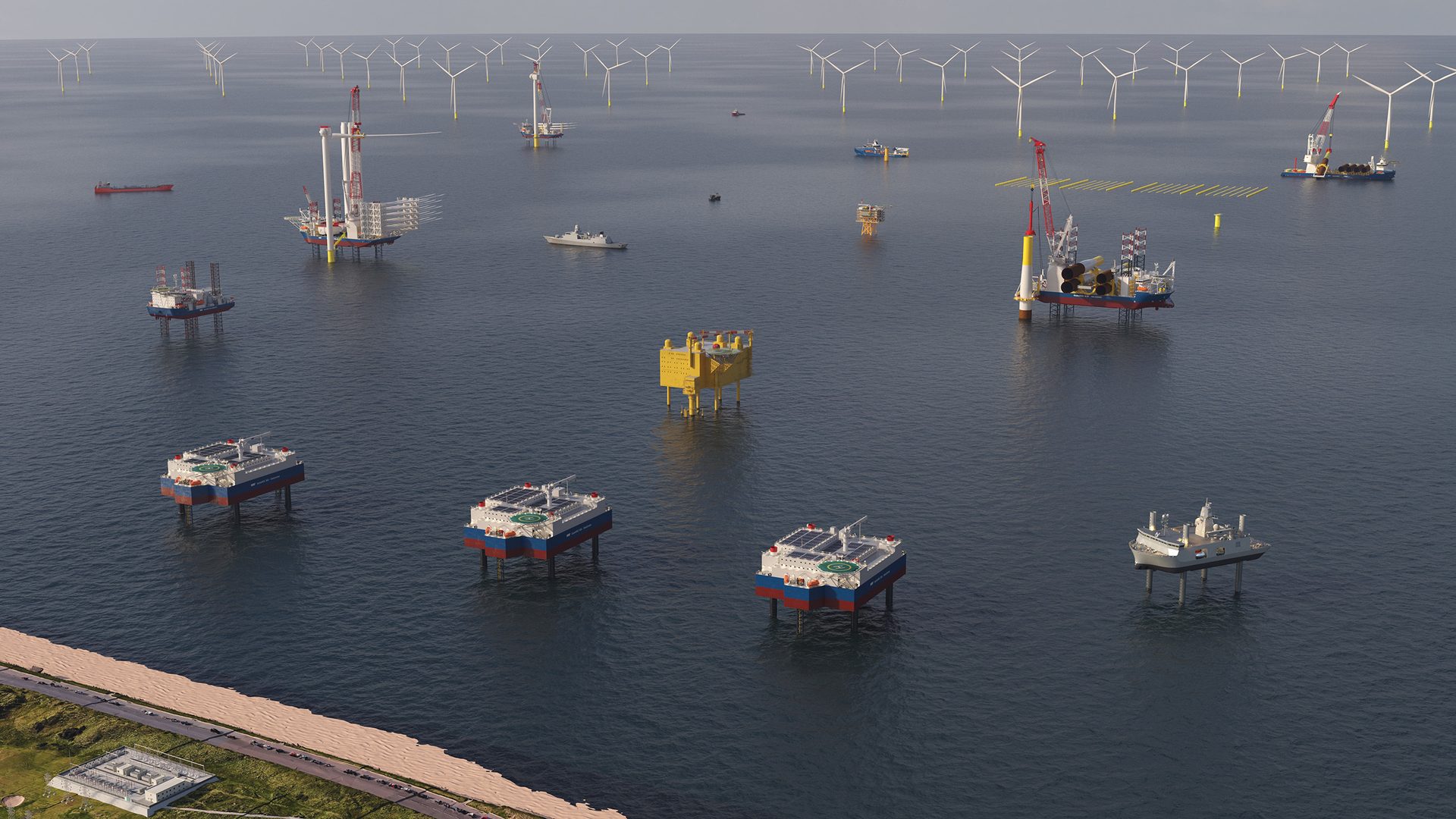
The North Sea has become a critical strategic domain. Across Europe, interest in renewable energy, digital transformation, and security is growing. The North Sea and how companies spanning many industries use the ecosystem may be central to meeting these converging demands. The area is already home to renewable energy generation, but what if maritime environments could also support digital and security infrastructure? Interconnected offshore energy hubs that combine power generation, data centres, and other critical infrastructure show us a way forward. The challenge is bringing these industries together under a shared vision and creating ways of working that stand strong.
GustoMSC brings decades of offshore engineering expertise to this changing domain, working with partners across industries to turn innovative concepts into practical, scalable offshore solutions. This article explores the challenges we face now and what it will take to unlock the vast potential of offshore.
The state of offshore development in 2026
Since the end of the 19th century, industries have increasingly looked to maritime environments as an offshore frontier for energy and other ventures. The offshore today is on the precipice of becoming a leading ecosystem for the energy transition, digital transformation, and geopolitical and environmental resilience. All the requisite ingredients are there for that next critical evolution. The North Sea is no exception. Since the 1970s, developers have built wind farms and other installations across its expanse, making it Europe’s largest energy production environment. And investment in key infrastructure like wind energy, electricity interconnectors, and hydrogen production continues to grow. To capitalize on the potential of the North Sea, while also addressing a host of pressing societal and environmental challenges, the European Union is developing a new digital ecosystem and a climate-neutral energy system. The idea is to safeguard autonomy and boost capacity without relying on landlocked installations. The EU formalized this vision in the Cloud & AI Development Act (CADA), a future-looking legislative move to strengthen the ability to meet AI and cloud demands and enact digital sovereignty. Practically, this means expanding wind farms and building more advanced turbines, but also using the North Sea’s available space more strategically beyond renewable energy. Data centers, which remain at the center of many political and societal debates, may actually find a viable home among wind farms. Maritime developments can also include digital security centers. All of these developments can form interconnected systems where normally isolated installations reinforce efficiency and value. With limited land, grid congestion, growing energy consumption, and infrastructure security becoming more critical, the concept of more integrated developments at sea is no longer just an innovative notion – they have become strategically necessary.
Scaling the energy transition
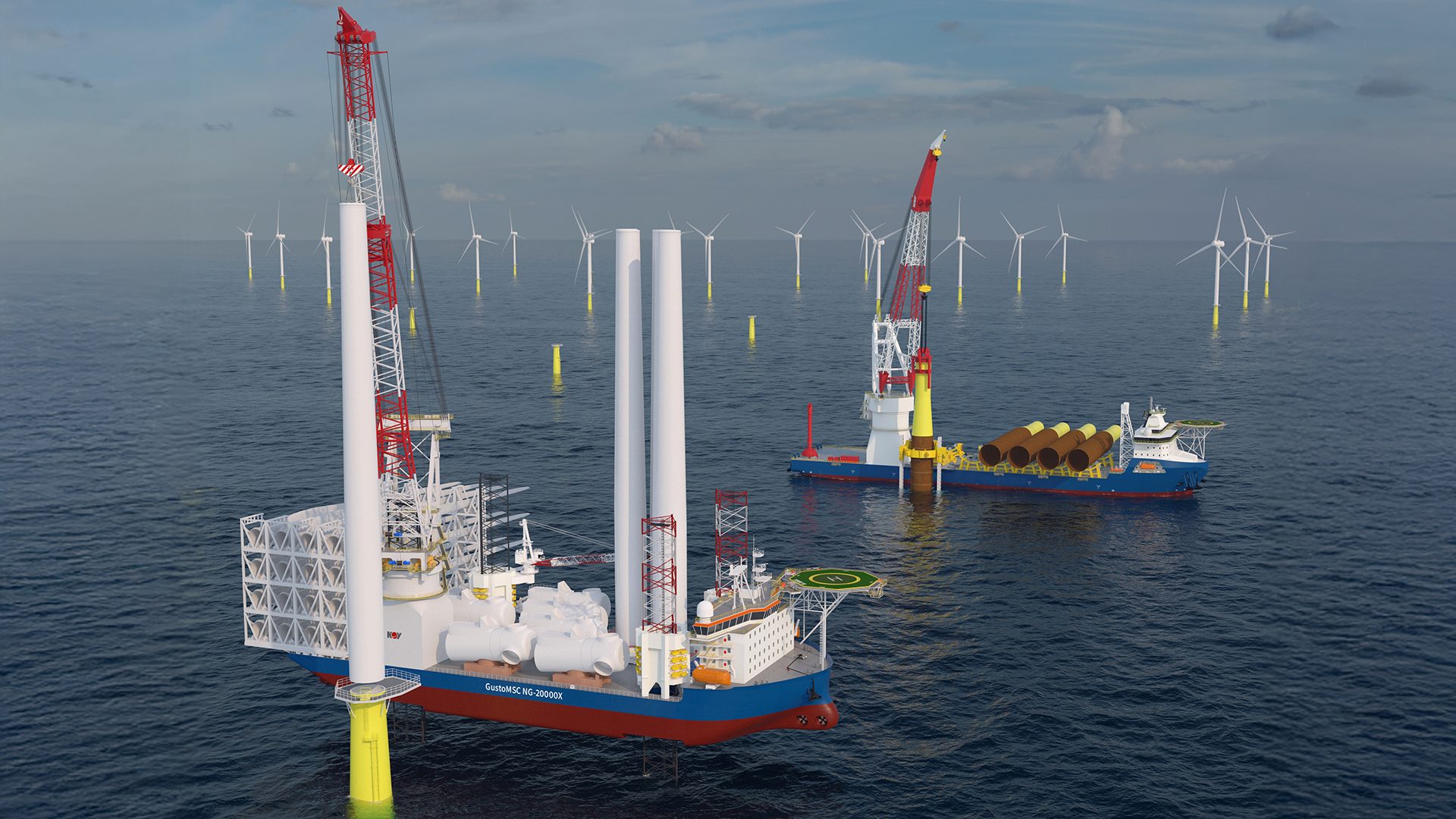
Offshore renewables have become an essential pillar of Europe’s energy mix. They have the capacity to support decarbonisation efforts, reduce grid stress, and give more options to end users. It’s no wonder Europe’s offshore ambitions are rising in line with the growing need to face the energy transition. In 2026, offshore wind power accounts for 37 gigawatts (GW) of the EU’s generation portfolio. The bloc aims to reach a shared capacity of 86-89 GW across offshore renewables by 2030, and 356-366 GW in 2050. Reaching this lofty capacity will require more than several new turbines. Contractors, developers, and operators in the offshore space will have to invest in larger components, new offshore grids and energy hubs, and cross-border connections to ensure resilience at scale. Installing and maintaining these technologies will present new challenges for these stakeholders and many others across the increasingly varied offshore development market.
Creating space for digital growth
AI data centers continue to dominate debates over land use, energy consumption, grid maintenance, and overall societal impact. While most of these policy and business discussions will continue well into the future, building and maintaining at least some data centers is inevitable. These data centers support the digital economy, and European businesses and government bodies want to compete on the global stage. Aiming to transform into an AI continent and reduce dependencies on non-European AI and cloud providers, the European Commission is set to invest €200 billion in AI, with a €20 billion fund mobilizing around AI gigafactories. Europe plans to triple data center capacity in the next 5 to 7 years. One central goal is to consolidate these ventures into a single, more competitive European data market. Keeping these aspirations in mind, it is impossible to ignore the immense energy and infrastructure demands of AI data centers. There is only so much available land in the EU, especially in densely populated areas. However, it would be wrong to see these demands as reason enough to halt all construction. This is where the North Sea again becomes an essential development area. Integrating AI data centers into integrated hubs alongside wind farms and other offshore developments in the North Sea alleviates onshore pressures. Wind farms can power data centers and associated command centers, in turn providing data and insight to improve energy operations, creating a net positive feedback loop for all developments within the hub.
Digital growth, resilience, and sovereignty may depend on this integrated business model and way of thinking.
Safeguarding the offshore domain as it becomes more critical
As the North Sea becomes a more central source of Europe’s energy supply, digital infrastructure, and strategic autonomy, its importance on the geopolitical stage also grows. Maritime operations are volatile, to say the least. Weather conditions are consistently unstable, and cyber attacks on energy assets and data cable networks represent a mounting threat. Submarine communication cables carry 99% of intercontinental internet traffic, while another network of cables connects offshore energy production to the grid and energy markets. Historically, security measures have treated these cables, and other assets for that matter, individually rather than as an interconnected web of critical infrastructure. More integrated offshore security is becoming a matter of economic, energy, and geopolitical security. It won’t be enough to improve situational awareness, resilience, presence, and the ability to respond swiftly with isolated solutions and technologies. The energy hub model is a viable alternative and a smarter way forward.
Working together to get the most from offshore space
Integrating energy and digital infrastructure can drive mutual growth. Renewable energy production and AI inference capacity – the technology’s output across enterprise and individual use as opposed to LLM training – can reinforce one another. This all occurs within offshore energy hubs where electricity generated at sea is distributed to other offshore industrial users, such as offshore power plants and data centers. Renewable energy gets used locally before needing to be transported via the high-voltage grid. Digital infrastructure becomes untethered from the onshore grid and facilitates more efficient interconnectivity. If these energy hubs take off, more global systems like the Pan-Arctic Cable System (PACS) could connect to a setup where demand and production are designed together. One of the key benefits of building integrated offshore hubs will be that developers won’t have to build more data centers – the idea will be to introduce a systems architecture that makes the energy transition more feasible without relying on outsized construction.
How engineering makes it all possible
How GustoMSC engineering enables an interconnected offshore future
An interconnected infrastructure serving Europe’s massive energy and data demands efficiently and at scale is an ambitious vision. Engineering is what can make this ambition possible and practical in the long run. Installing data centers and forward operating bases – the required infrastructure for meeting AI demand – while also maintaining established wind farms and installing next-generation power infrastructure will require specific engineering demands. Solutions must be practical to install, operate, maintain, and scale, and be able to perform safely and reliably in challenging marine environments. This is where GustoMSC’s decades of offshore experience comes in. We combine proven engineering principles with practical knowledge across domains, making it possible to act on ambitions at sea.
How GustoMSC engineering enables an interconnected offshore future
How GustoMSC engineering enables an interconnected offshore future
How GustoMSC engineering enables an interconnected offshore future
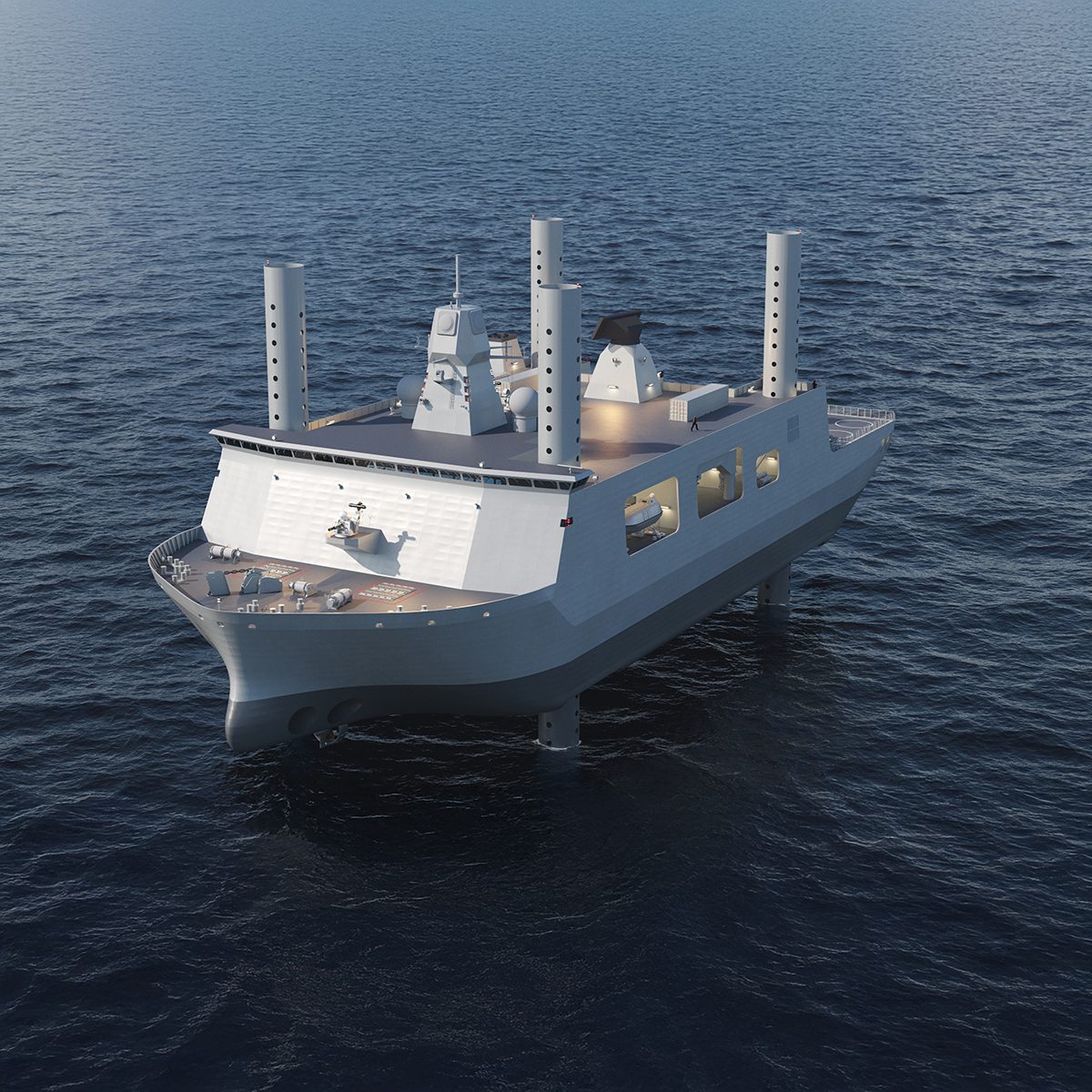
Offshore forward operating base
GustoMSC has designed a mobile Forward Operating Base for long-term presence in strategic waters. Once elevated, this jack-up creates a stable offshore base for surveillance, command and control, helicopters, drones, and autonomous systems, supporting situation awareness and more robust critical infrastructure protection
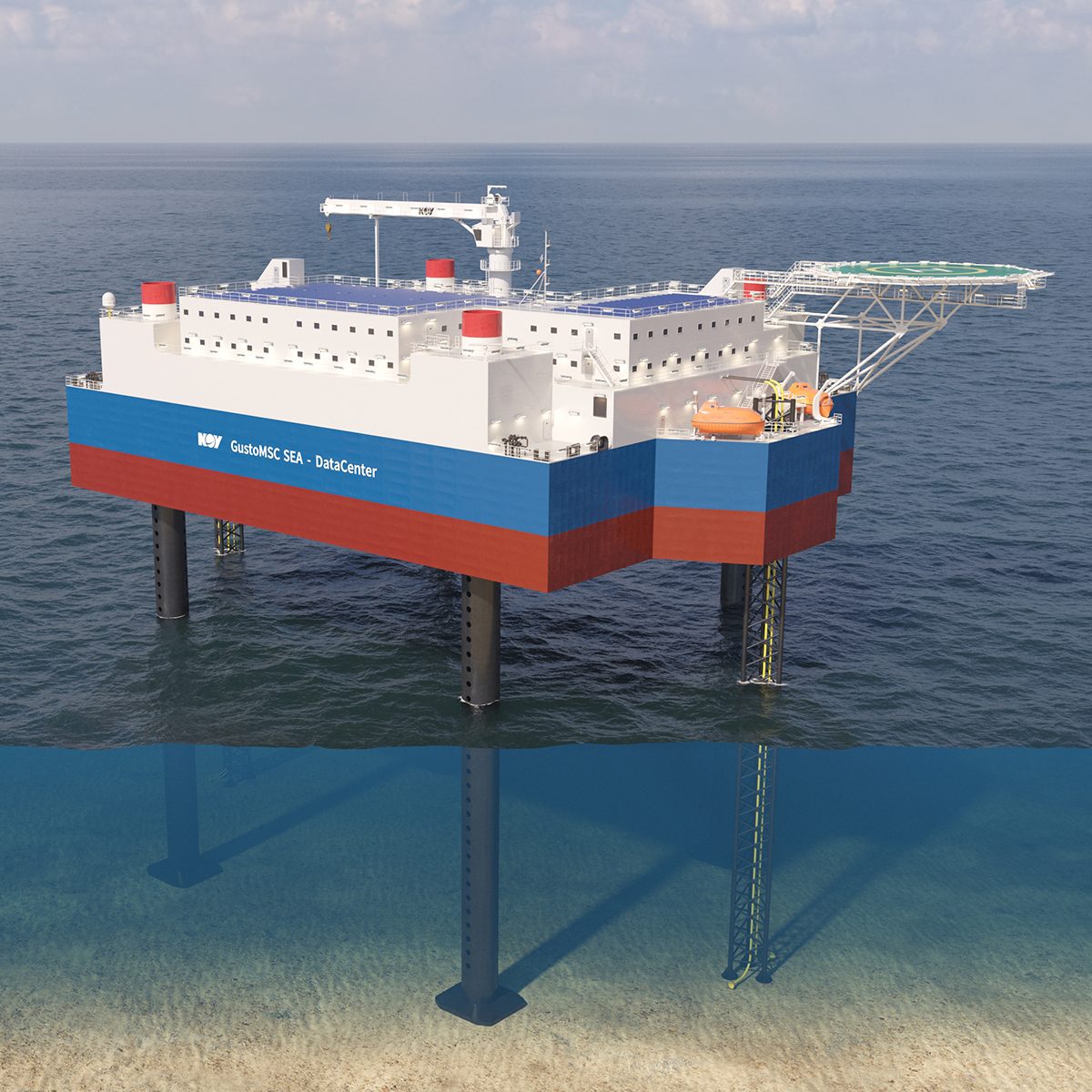
Offshore datacenter
To take Europe’s digital infrastructure offshore, we designed a modular self-elevating platform concept that provides a stable, secure, and resilient operating base. The concept demonstrates how bringing digital infrastructure closer to offshore renewable energy reduces pressure on congested grids and makes more efficient use of offshore space.
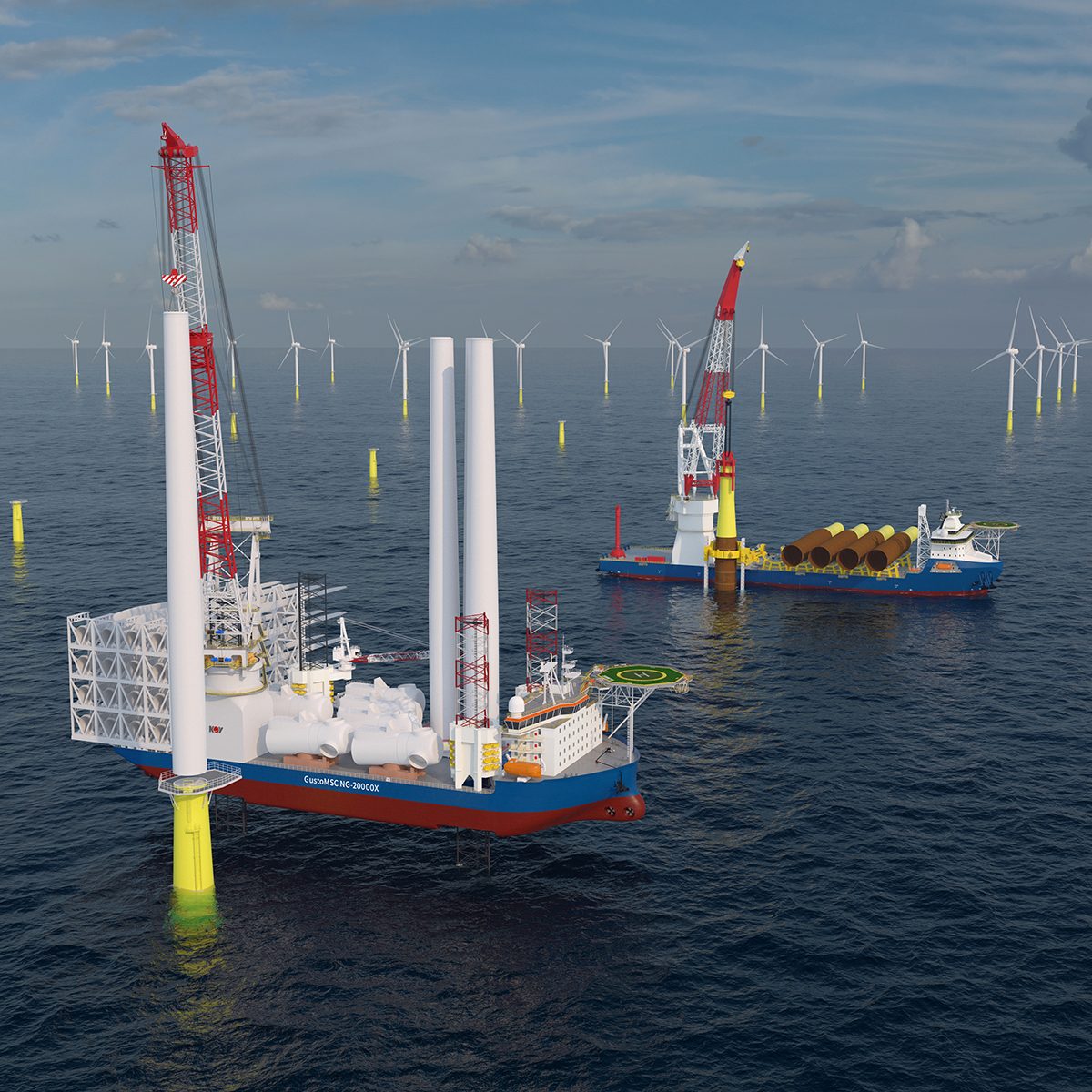
Next-generation wind installation
As turbines and foundations get larger, the vessels and equipment required to install them need to evolve in line with that growth. GustoMSC helps you scale with confidence. We develop next-generation installation jack-ups, foundation installation vessels, cranes, and installation methodologies, designed around higher capabilities, efficient operations, and improved project economics.
An integrated and collaborative approach
How GustoMSC engineering enables an interconnected offshore future
Building and maintaining installations that form pieces of a connected energy hub requires deep technological expertise and proven stakeholder management experience. Energy companies, maritime and offshore specialists, digital and technology partners, security experts, governments, and knowledge institutions each bring a wealth of insight, but also unique requirements and ways of working. GustoMSC understands how to bring together these varying perspectives and explore shared infrastructure and new combinations of offshore technologies.
Proven offshore expertise applied in new ways
You don’t have to face new offshore challenges from zero. GustoMSC brings decades of experience designing units, equipment, and integrated solutions to help face demanding offshore challenges. With over 200 mobile offshore units operating globally, we design technologies with complete knowledge of what it takes to perform in maritime conditions. This foundation helps us look forward. Our engineering expertise and operational experience will help established players in offshore wind work more efficiently and safely with emerging industries like offshore digital infrastructure and maritime security. What’s more, we also know that no single solution will enable the future Europe aspires to achieve. This vision will require long-term collaboration between industries that benefit from a shared ecosystem, with engineering adding the required practicality. GustoMSC has always worked with partners across domains, so we understand what it takes to collaborate on complex challenges spanning normally isolated industries.
Partner with us to transform ambitious ideas into practical offshore solutions that last.
One shared offshore infrastructure
GustoMSC has been instrumental in renewable development across the North Sea. Our mobile units have helped install around 75% of all offshore wind turbines there, supporting advancements in the energy transition.